
Maximize Output Using 6,500 Bottles Per Hour Labeling Machine
Picture this: It is 3 PM on a Friday. Your biggest client just called and bumped their order by 40%. Your current labeling machine is crawling at 2,500 bottles per hour, your night shift is already booked solid, and you are staring at a wall of unlabeled bottles wondering how you are going to hit Monday's deadline without paying overtime that eats your entire margin. Sound familiar?
If you have been there, you are not alone. I have talked to dozens of plant managers in the beverage, water, and daily chemical industries, and this exact scenario comes up every single month. The good news is that there is a way out. In this article, I am going to show you why upgrading to a 6,500 BPH hot melt glue labeling machine is not just about speed. It is about finally sleeping through the night without worrying about your production line.
The Real Problem: When Your Labeling Machine Becomes the Bottleneck
Let us be honest. Most production lines do not fail at the filling stage or the capping stage. They fail at labeling. Why? Labeling is where precision meets speed, and most mid-range labeling machines simply cannot handle both at once. You either get decent speed with sloppy results, or perfect labels at a pace that makes your accountant cry.
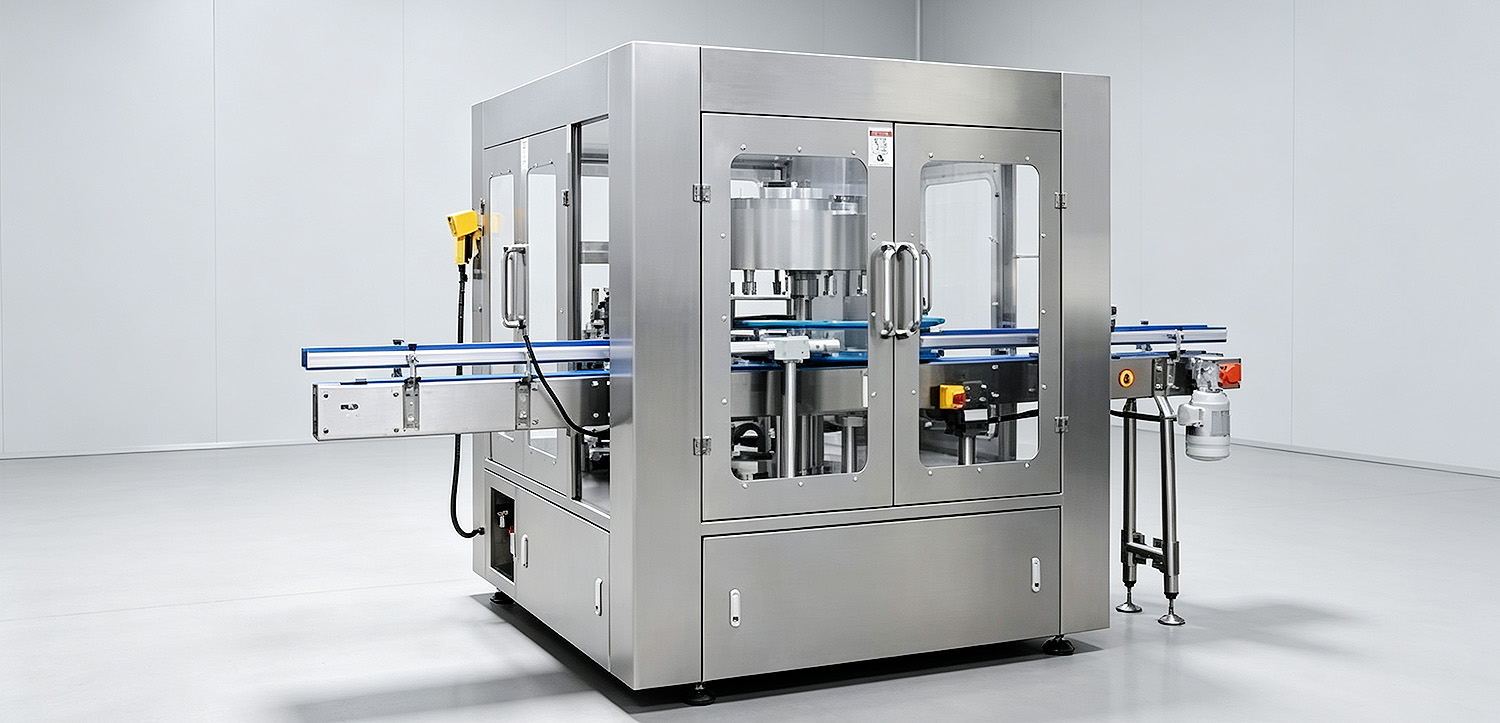
This is where the 6-head hot melt glue labeling machine from MIC Machinery flips the script. With six pressure heads working in perfect sync, this unit pushes out 6,500 bottles per hour while keeping every label tight, straight, and professional. One of our clients in Canada put it perfectly: These are one of our best machines. The machine runs very smoothly and is very suitable for our large-scale production. That is the difference between a machine that works and a machine that works for you.
Speed That Actually Translates to Profit
Here is the math that matters. If your current setup handles 2,500 bottles per hour and you run two 8-hour shifts, you are capping out at around 40,000 bottles per day. Switch to a 6,500 BPH labeling machine, and that same 16-hour window gives you over 100,000 bottles. That is not just faster—that is the difference between turning down orders and confidently saying "yes" to new business.
- Handle rush orders without scrambling for extra shifts or weekend overtime
- Free up floor space by replacing two or three slower machines with one reliable unit
- Keep your team focused on quality control instead of firefighting speed issues
Here is the part most people miss: the uninterrupted speed adjustment means you do not have to run flat-out 24/7. Start slow during warmup, ramp up once your line is stable, then dial back for delicate products. You are in control, not the machine.
Precision That Saves Your Brand Reputation
Speed means nothing if your bottles hit the shelf looking like a craft project gone wrong. Crooked labels, wrinkles, and glue smears do not just look bad—they get your products rejected by retailers. One rejected pallet can cost you more than a month of machine payments.

This labeling machine delivers ±1 mm accuracy, which in plain English means your labels land exactly where they should, every single time. The secret sauce is a servo-motor cutting system paired with Panasonic digital color mark sensors that track each label in real time. If something starts drifting, the system catches it before you have a mountain of rejects to deal with.
- ±1 mm accuracy keeps your packaging retail-ready from day one- Real-time sensor feedback prevents small issues from becoming expensive disasters
- Clean, consistent labels that protect your brand image on store shelves
- Less material waste means your label rolls last longer and your costs drop
One of our long-term users told us: We like the machine clean and easy to use. That simplicity extends to the results—clean bottles, clean labels, clean reputation.
One Machine, Multiple Product Lines
If you are like most facilities I visit, you do not run the same product all year. One month it is bottled water with BOPP labels. Next month it is daily chemicals with paper-plastic composite film. Then a seasonal run with standard paper labels. Switching between label types on older equipment is usually a half-day headache involving tools, trial runs, and a lot of swearing.
Not with this unit. It handles round and square containers in plastic, glass, or metal without a complete retooling nightmare. The maximum 200 mm label width covers most standard needs, and the 600 mm outer diameter means fewer roll changes during those long production runs. When you do switch materials, the standard threading unit makes it feel less like brain surgery and more like changing a printer cartridge.
- BOPP, paper-plastic composite, and paper labels without major reconfiguration
- 200 mm max label width fits the majority of common packaging formats
- Fewer roll changes keep your line moving during marathon production sessions
Hot Melt Glue: The Strong, Clean Bond That Actually Sticks
Let us talk about the glue for a second, because this is where a lot of labeling machines quietly fail their owners. Water-based adhesives can weaken in humidity. Pressure-sensitive labels can peel during transport. But hot melt glue creates a bond that laughs at temperature changes and rough handling.

This machine applies two precise strips of hot melt adhesive—one on the leading edge for exact positioning, one on the trailing edge for a secure seal. The heated roller keeps the glue at a steady 120–160°C, so you get consistency from the first bottle of the shift to the last. No globs. No weak spots. No labels peeling off in the warehouse.
- Leading-edge glue ensures pinpoint label placement as the bottle rotates- Trailing-edge seal prevents peeling during stacking, shipping, and shelf handling
- Consistent 120–160°C temperature eliminates guesswork and cold-glue failures
- Tight, wrinkle-free finish that looks professional under any lighting
Your products travel through warehouses, trucks, and retail back rooms before they ever reach a customer. This bonding method makes sure your labels survive that journey looking as good as they did when they left your plant.
Controls Your Team Will Actually Use
I have seen too many plants buy "advanced" equipment that sits underutilized because the interface requires a PhD to operate. That is not a technology problem—that is a design problem. This labeling machine uses a Siemens touch-screen interface that your operators can figure out in about ten minutes, not ten hours.
The PLC system lets you adjust settings on the fly without shutting down the line. Need to tweak label position for a new batch? Tap the screen. Want to check if the glue temperature is holding steady? It is right there in real time. Your team spends less time fighting the machine and more time running production.
- On-the-fly adjustments without stopping the entire production line
- Real-time performance data so operators spot trends before they become problems
- A short learning curve means new staff get productive quickly
Another client summed it up nicely: The machine is good, runs smoothly, and is easy to work with. When your night shift operator can troubleshoot basic issues without calling the supervisor at 2 AM, that is where the real savings live.
Built with Parts You Can Actually Find
Here is a nightmare scenario: your machine breaks down on a Tuesday, and the replacement part is manufactured on the moon with a 6-week lead time. This unit avoids that problem entirely by using components your maintenance team already knows and trusts.

Schneider servo and drive systems handle the motion control. Panasonic sensors manage detection and color marking. Siemens runs the interface. These are not obscure brands. These are the same names you will find in maintenance catalogs worldwide. When something eventually needs attention—and everything eventually does—you are not stuck playing detective with part numbers written in a language nobody speaks.
- Schneider servo system for smooth, responsive, reliable motion
- Panasonic photoelectric and detection sensors for accurate real-time feedback
- Industry-standard components that your maintenance staff already understand
- Solid 2,000 kg frame with adjustable dimensions to fit your existing floor plan
At roughly 2,000 kg, this is not a flimsy piece of equipment that vibrates itself out of alignment every three months. It is built to run continuously in busy plants, and the adjustable dimensions mean you can integrate it into your current layout without knocking down walls.
Why Your Labeling Machine Manufacturer Choice Matters More Than the Machine Itself
Here is something I have learned after years in this industry: the machine is only 50% of the purchase. The other 50% is the labeling machine manufacturer standing behind it. I have seen facilities buy cheap equipment from faceless vendors and spend the next two years chasing support emails that never get answered. I have also seen plants partner with the right manufacturer and have their line optimized, their team trained, and their spare parts delivered before they even knew they needed them.
When you choose a labeling machine manufacturer, you are not just buying steel and servos. You are buying peace of mind. You are buying a partner who answers the phone when your line goes down at 11 PM on a Saturday. You are buying someone who understands that your deadline is their deadline.
- Confirm they provide hands-on installation support and operator training
- Verify spare parts availability—not just today, but three years from now
- Read genuine testimonials; they tell you more than any brochure ever will
One of our clients in Canada said it best: The supplier service was very helpful and always answer my questions in less than 24 hours. That is the difference between a vendor and a partner. The right labeling machine manufacturer does not just sell you equipment—they help you build a production line that runs better six months from now than it did on day one.
If your current labeling machine is the reason you are losing sleep over deadlines, rejecting batches, or turning down orders, it is not a personnel problem. It is an equipment problem. A 6,500 BPH hot melt glue labeling machine gives you the speed to grow, the precision to protect your brand, and the reliability to finally stop micromanaging your production floor.
You do not need to overhaul your entire plant. You just need to fix the one bottleneck that is holding everything else back. And when you partner with the right labeling machine manufacturer, that fix comes with the support and expertise to make it stick.
FAQ
1. We run a small facility. Is 6,500 bottles per hour overkill for us?
Not at all. Think of it as buying room to grow. Right now you might only need 3,000 bottles per hour, but having 6,500 in reserve means you can take on rush orders, seasonal spikes, or new clients without buying a second machine next year. Plus, the adjustable speed settings let you run slower when you need to.
2. How long does it take to switch between different bottle shapes or label materials?
With the standard threading unit and adjustable container plates, most changeovers take under 30 minutes. Your maintenance team does not need special training—if they can operate a standard labeling machine, they can handle this one. The real time-saver is that you are not swapping out entire modules; you are just adjusting settings.
3. What happens if a label misfeeds or a bottle jams? Does the whole line stop?
The Panasonic detection sensors catch most issues before they become jams. If a bottle does misfeed, the PLC system can be configured to either pause the line or divert the problem bottle, depending on your setup. The touch screen gives your operator a clear error message so they know exactly what happened and how to fix it.
4. How much maintenance does this machine actually need day-to-day?
Daily maintenance is minimal—mainly keeping the glue roller clean and checking that sensors are free of dust. The Schneider and Panasonic components are built for industrial environments, so they handle the daily grind without constant babysitting. Most of our clients do a deeper maintenance check once per month, not once per shift.
5. We are currently using a different labeling method. Will switching to hot melt glue require us to change our label supplier?
Probably not. Hot melt glue works with BOPP, paper-plastic composite, and standard paper labels — the same materials most facilities already use. The main difference is the adhesive application method, not the label material itself. If anything, you might find your label costs stay the same while your rejection rate drops significantly.